

Stream East Sports: Why Fans Keep Searching It During Live Games
Search behavior around Stream East Sports follows a very specific pattern. People are not browsing, comparing platforms, or learning about sports streaming in general. Most searches happen minutes before kickoff, during live matches, or immediately after a stream fails. The phrase has become a shortcut fans use when time matters.
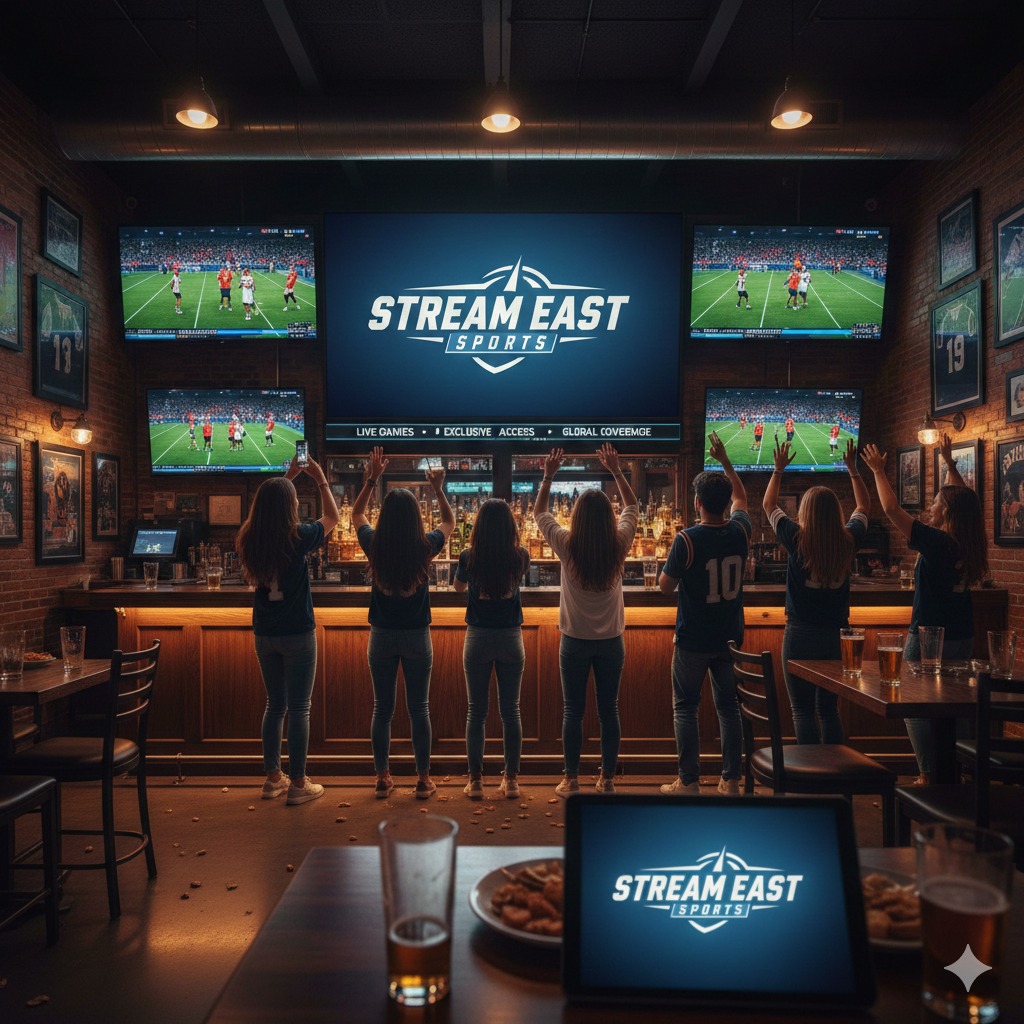
Unlike official broadcasters or licensed platforms, Stream East Sports does not refer to a single service. It represents a collection of free sports streaming pages, mirror sites, and layouts that surface when viewers want live games without subscriptions. Understanding how and why people search this term explains why it keeps appearing across search engines during peak sports hours.
This article breaks down what users mean when they search Stream East Sports, how search behavior changes during live matches, and what these patterns reveal about modern sports viewing habits.
What Viewers Mean When They Search Stream East Sports
When someone types Stream East Sports, they are not looking for background information or platform details. The intent is almost always immediate.
For most viewers, the phrase means:
- a live game is happening now
- access is needed quickly
- setup must be minimal
- playback should start fast
The wording functions as behavioral shorthand, not a brand name. Fans use it because they associate it with finding live matches during moments when official options feel unavailable, restricted, or slow.
Intent may vary by sport or region, but urgency is constant.
Why Stream East Sports Searches Spike Around Live Games
Time-Driven Search Behavior
Search volume for Stream East Sports rises sharply just before kickoff and stays high during the first half of matches. It often spikes again if:
- a stream buffers
- playback stops
- a page reloads unexpectedly
Users do not wait. They search again immediately. This explains why the same person may perform multiple searches within a single game window.
Search engines interpret this repetition as demand, which keeps the term visible during live sports hours.
Device-Based Urgency
Device usage shapes search behavior:
- Mobile searches dominate weekdays, especially during work hours and travel
- Desktop searches increase on weekends and during evening games
This difference reflects context, not preference. Fans search on whatever screen is closest when the game begins.
Sports Most Commonly Connected to Stream East Sports Searches
Football and Soccer
Football, both American and international, drives the highest volume. Domestic leagues, continental competitions, and national team matches all contribute.
Soccer searches surge:
- during evening hours in Europe
- late at night in other regions
- heavily during tournaments and knockouts
Many fans search for specific matches, not schedules, which leads to short, repeated queries tied to kickoff timing.
American Sports
NFL searches peak on game days and rise dramatically during playoffs. MLB searches grow steadily across long seasons and spike again in postseason weeks.
Viewers often include broadcast names like ESPN or Fox Sports in their searches, even when using free sites. This reflects familiarity with televised coverage rather than access to those networks.
Cricket and International Events
Cricket creates heavy simultaneous demand during major tournaments and regional series. Fans from different countries often search at the same time, increasing server load and mirror site rotation.
This global overlap is one reason Stream East Sports pages change frequently during major cricket events.
Why Search Results Show So Many Stream East Sports Sites
Mirror Site Rotation
Mirror sites exist to spread traffic. When one page slows or disappears, another version appears under a different address with the same structure and content.
To users, this feels chaotic. In reality, it is a response to traffic spikes rather than a coordinated platform strategy.
Network Load and Availability
Free streaming pages do not have the infrastructure of licensed broadcasters. During major games, thousands of viewers arrive at once. Mirrors distribute load across servers to keep streams available.
This is why domains change often during high-profile matches.
What Viewers Expect After Clicking a Result
Interface Expectations
Viewers expect:
- a visible video player
- minimal steps before playback
- no long delays
If streams are hidden behind banners or heavy pop-ups, users leave instantly and return to search results.
Stream Accuracy
Viewers expect the stream to match the game they searched for. When titles and playback do not align, frustration rises and searches repeat.
Ads, Pop-Ups, and Viewing Experience
Free sports streaming relies heavily on advertising. Ads may appear:
- before playback
- during pauses
- as overlays
Aggressive pop-ups often interrupt viewing or redirect users. This behavior is a major reason viewers refresh pages or search again mid-game.
It also explains why ad-blocking tools are frequently discussed among fans searching Stream East Sports.
Security Concerns Behind These Searches
Malware and Browser Issues
Some pages include scripts that attempt to:
- change browser settings
- install unwanted extensions
- redirect traffic
Unexpected browser behavior often leads users back to search engines to look for alternatives or safer pages.
Unauthorized Apps and Software
Prompts suggesting external apps or downloads raise concern, especially on mobile devices. These encounters shift user focus from the game to device safety.
VPN-Related Searches and Regional Access
Why VPNs Appear in Searches
Users often look into VPNs after:
- access blocks
- unavailable streams
- region-based restrictions
Privacy features become part of discussion because users want consistency, not anonymity.
Regional Differences
Playback quality varies by location due to routing, server distance, and traffic load. This is why one viewer may experience smooth playback while another struggles during the same event.
Why Users Search for Stream East Sports Alternatives
Reaction, Not Exploration
Alternative searches usually follow frustration. Viewers are not exploring options; they are trying to restore access quickly.
Free Versus Paid Expectations
Paid platforms offer stability and rights-cleared coverage. Free sites offer immediacy and flexibility. Many viewers move between these options depending on timing, cost, and availability.
Free trials temporarily reduce free-site searches, but usage often returns once trials end.
How Searches Change During a Single Match
Search behavior evolves throughout a game:
- early searches are simple
- mid-game searches become more specific
- late-game searches spike during close finishes
Volume often increases after kickoff rather than declining.
Why Users Add Extra Words Mid-Game
Refinements reflect problems, not curiosity. Added terms often aim to:
- find a replacement stream
- avoid interruptions
- confirm live status
This shows how fragile free streaming experiences feel during pressure moments.
Interface Design and Repeat Searches
Familiar layouts reduce decision time. This is why many mirror sites reuse similar designs. Visual familiarity helps stressed viewers act quickly.
Playback controls also matter. Delayed volume or fullscreen responses often lead to abandonment even when streams are active.
Which Sports Trigger the Most Search Churn
High-pressure matches generate the most repeat searches:
- NFL playoffs
- knockout football
- title fights
International time zones also amplify instability when demand peaks unexpectedly.
Ads and Their Direct Impact on Search Behavior
Even short ad interruptions cause users to refresh or leave. On mobile, pop-ups are especially disruptive and drive faster search repetition.
Security-Driven Search Modifiers
After negative experiences, users begin adding security-related words to searches. This shift usually happens after something feels wrong, not before.
Legal Awareness and Media Influence
Legal concerns appear after enforcement news or shutdown headlines. These searches are usually informational, not panic-driven.
Interest returns quickly once replacement pages appear.
How Viewer Experience Shapes Long-Term Search Habits
Each session informs the next. Smooth sessions reduce search frequency briefly. Poor sessions increase it immediately.
Over time, users remember:
- which layouts worked
- which mirrors loaded faster
- which pages felt safer
This memory keeps Stream East Sports searches recurring even as domains change.
The Long-Term Pattern Behind Stream East Sports Searches
The persistence of Stream East Sports searches reflects unmet demand. Fans want:
- live access
- minimal friction
- cross-device flexibility
- reasonable consistency
Until official platforms reduce fragmentation and regional barriers, these searches will continue.
Extended FAQs
Final Perspective
Stream East Sports search behavior reflects modern sports consumption. Fans prioritize timing, access, and simplicity. They search with urgency, adapt quickly, and tolerate imperfections to avoid missing live action.
The term persists not because it represents a platform, but because it represents a solution fans reach for when the clock is running.


